
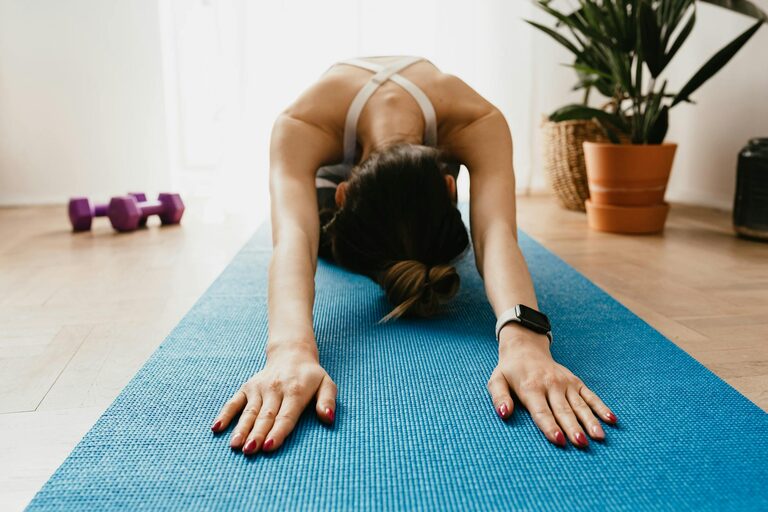
Stretching is an essential part of any healthy lifestyle. Whether you’re new to exercise or looking to add gentle movement to your daily routine, stretching can help improve flexibility, increase blood flow, and relieve muscle tension. The best part? You can do it easily at home, with no special equipment needed.
In this beginner’s guide, we’ll explore why stretching is important, how to get started safely, and share a variety of simple stretches you can try today.
Why Stretching Matters
Stretching helps lengthen muscles and tendons, which can improve your range of motion and reduce the risk of injury during physical activities. It also promotes better posture and decreases muscle stiffness or soreness after sitting or exercising.
Some key benefits of regular stretching include:
– Increased flexibility: Helps you move more freely and with ease
– Improved circulation: Boosts blood flow to muscles and joints
– Stress relief: Calms your mind and relaxes tight areas
– Better posture: Reduces muscle imbalances and alignment issues
Getting Started: Tips for Safe Stretching
If you’re new to stretching, keep these safety tips in mind:
– Warm up first: Stretching cold muscles can cause injury. Start with light activity like walking or marching in place for 5 minutes.
– Stretch gently: Avoid bouncing or forcing your body into painful positions. Move slowly and hold each stretch comfortably.
– Breathe deeply: Inhale and exhale slowly as you stretch to relax your muscles and increase oxygen flow.
– Listen to your body: Stop if you feel sharp pain or discomfort. Stretching should feel good, not hurt.
– Be consistent: Aim for stretching sessions 3–4 times per week or daily if possible to see lasting benefits.
Basic Stretches to Try at Home
Here are some beginner-friendly stretches targeting major muscle groups. Hold each stretch for 20–30 seconds and repeat 2–3 times.
1. Neck Stretch
Relieves tension from long hours at the computer or looking down at phones.
– Sit or stand up straight.
– Gently tilt your head to the right, bringing your ear toward your shoulder.
– Hold and switch sides.
2. Shoulder Rolls
Loosens tight shoulders and upper back.
– Stand or sit with arms relaxed.
– Roll your shoulders forward in a slow circular motion 10 times.
– Reverse directions for 10 more rolls.
3. Chest Opener
Counters rounded shoulders and opens up the chest.
– Clasp your hands behind your back.
– Straighten your arms, squeeze shoulder blades together, and lift your chest.
– Keep your neck relaxed and look forward.
4. Seated Forward Bend
Stretches the lower back and hamstrings.
– Sit with your legs extended straight.
– Slowly lean forward from hips, reaching toward your toes.
– Keep your spine long and knees slightly bent if needed.
5. Cat-Cow Stretch
Improves spine flexibility and reduces back stiffness.
– Kneel on all fours with wrists under shoulders and knees under hips.
– Inhale to arch your back, lifting your head and tailbone (Cow pose).
– Exhale to round your spine, tucking your chin and tailbone (Cat pose).
– Repeat 10 cycles at your own pace.
6. Standing Quad Stretch
Stretches the front of the thighs.
– Stand tall, holding onto a wall or chair for balance.
– Bend your right knee and grab your ankle or foot with your right hand.
– Keep knees close together and push hips forward slightly.
– Hold and switch sides.
7. Calf Stretch
Helps prevent tightness after walking or running.
– Stand facing a wall.
– Step one foot back, keeping the heel on the floor.
– Lean forward slightly, bending the front knee until you feel a stretch in the back calf.
– Switch sides.
Creating a Stretching Routine
You don’t need to stretch for hours to notice benefits. Even 10–15 minutes daily can make a difference. Here’s a simple routine to get started:
- Warm-up (5 minutes): Light walking or gentle marching
- Neck and shoulder stretches (5 minutes)
- Lower body stretches (5 minutes)
- Deep breathing and relaxation (2–3 minutes)
You can do this routine in the morning to wake up your body or before bed to unwind from the day. Consistency is key, so find a time that works best for you and make stretching a regular habit.
Additional Tips
– Use a yoga mat or carpet to stay comfortable on hard floors.
– Wear loose clothing that allows freedom of movement.
– Focus on slow, mindful stretching rather than rushing through exercises.
– Consider following along with beginner yoga or stretching videos online for guidance.
Final Thoughts
Stretching is a gentle way to improve your health and feel better in your body. Starting a simple stretching routine at home can boost your flexibility, reduce muscle tension, and support overall wellness. With a little practice and patience, you’ll soon notice positive changes in how your body feels and moves.
Give these beginner stretches a try today, and enjoy the many benefits that come with taking time to care for your body!