
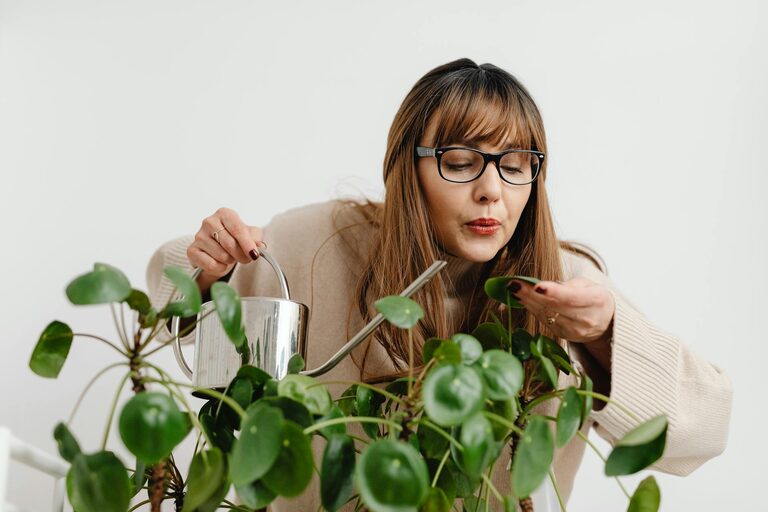
Bringing houseplants into your home is a wonderful way to add greenery, improve air quality, and create a calming environment. However, keeping these plants healthy requires some basic knowledge and care. Whether you’re new to indoor gardening or a seasoned plant parent, these tips will help you maintain your houseplants in excellent condition.
Understand Your Plant’s Needs
Every plant species has unique requirements. Some prefer bright, direct sunlight, while others thrive in low-light conditions. Learning about your specific plant’s preferred environment is the first step toward keeping it healthy.
– Light: Check if your plant needs full sun, partial sun, or shade. Place it accordingly near windows or use artificial grow lights if natural light is insufficient.
– Water: Overwatering is a common mistake. Most houseplants prefer the soil to dry out slightly between waterings. Research how much and how often your plant needs water.
– Humidity: Tropical plants may require higher humidity levels. You can increase moisture by misting leaves, using a humidifier, or setting plants on a tray with water and pebbles.
Watering Wisely
Watering is vital but can be tricky. Follow these tips to avoid common problems:
– Check the soil before watering. Stick your finger about an inch into the soil. If it feels dry, it’s time to water.
– Use the right amount of water. Water the plant until you see excess water draining from the pot’s bottom to ensure roots are properly hydrated.
– Avoid waterlogging. Ensure your pots have drainage holes to prevent roots from sitting in water, which can lead to root rot.
Choose the Right Pot and Soil
The pot and soil quality directly impact your plant’s health.
– Pot Size: Select a pot that suits your plant’s size. Too small, and the roots may become cramped; too large, and soil can retain excess moisture.
– Drainage: Always use pots with drainage holes to prevent standing water.
– Soil Type: Use appropriate potting mixes based on your plant. For example, succulents need well-draining soil, while ferns prefer soil that retains moisture.
Provide Proper Light
Light quality influences photosynthesis, which keeps your plants growing strong.
– Natural Sunlight: Place plants facing windows to catch the available light. South-facing windows provide the most light, while north-facing ones are best for low-light plants.
– Artificial Light: If natural light is limited, use grow lights designed for indoor plants. LED grow lights are energy-efficient and support healthy growth.
– Rotate Regularly: Rotate pots weekly to ensure all sides of the plant receive equal light and grow evenly.
Keep an Eye on Temperature and Humidity
Most houseplants prefer temperatures between 65°F and 75°F (18°C to 24°C).
– Avoid drafts: Keep plants away from cold drafts or hot air vents.
– Humidity levels: If your home is dry, especially during winter, boost humidity by grouping plants together or using a humidity tray.
Fertilize Appropriately
Plants need nutrients for healthy growth. Fertilize during the growing seasons (spring and summer) using a balanced, water-soluble fertilizer.
– Follow instructions: Do not over-fertilize; this can harm roots and leaves.
– Frequency: Usually, fertilizing once a month is sufficient, but this depends on plant type and growth rate.
Prune and Clean Regularly
Regular maintenance keeps your plants healthy and attractive.
– Remove dead leaves: Trim yellow or brown leaves to prevent disease and encourage new growth.
– Pinch back growth: Some plants benefit from pinching back tips to promote bushier growth.
– Clean leaves: Dust can block sunlight. Gently wipe leaves with a damp cloth or give outdoor plants a light rinse.
Watch for Pests and Diseases
Houseplants can attract pests like spider mites, aphids, or mealybugs.
– Inspect plants regularly: Check the undersides of leaves and stems.
– Isolate new plants: Quarantine new plants for a week or two before introducing them to your collection.
– Treat promptly: If pests appear, use natural remedies like insecticidal soap, neem oil, or wipe leaves with alcohol.
Repot When Necessary
Houseplants can outgrow their pots and need room for roots to expand.
– Signs to repot: Roots growing through drainage holes, soil drying out quickly, or stunted growth.
– Best time: Early spring is ideal, just before the growing season.
– Process: Gently remove the plant, trim damaged roots, and place it in fresh soil in a slightly larger pot.
Conclusion
Healthy houseplants bring joy and fresh air into your home. By understanding their individual needs and practicing consistent care — including proper watering, lighting, feeding, and monitoring — you’ll ensure they thrive for years to come. Start with these easy tips and watch your indoor garden flourish!
Happy planting!