
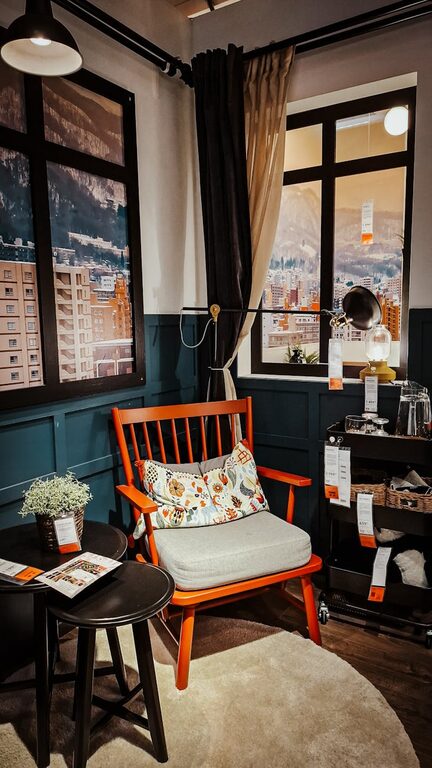
Creating a comfortable and inviting atmosphere at home often starts with the right lighting. Good lighting doesn’t just help you see clearly—it can influence your mood, improve productivity, and make a space feel cozy and welcoming. However, choosing the right home lighting can feel overwhelming with so many options available. To help, we’ve put together a comprehensive guide on how to choose comfortable home lighting that works for your lifestyle and space.
Why Comfortable Lighting Matters
Before diving into tips, let’s understand why comfortable lighting plays an important role in your home:
– Mood Influence: The type and intensity of light can affect how you feel. Warm lights often create a relaxing ambiance, while brighter, cooler lights can energize you.
– Visual Comfort: Proper lighting reduces eye strain when reading, cooking, or working.
– Space Enhancement: Light shapes the perception of space. It can make rooms appear larger, warmer, or more inviting.
– Energy Efficiency: Smart lighting choices can reduce energy consumption and lower bills.
Step 1: Assess Your Space and Needs
Before buying any lighting fixtures, look at each room and take note of:
– Natural Light: When and where does sunlight enter the room? Rooms with generous daylight may need softer artificial lights to balance.
– Room Function: Are you lighting a kitchen, living room, bedroom, or home office? Each space has different lighting needs.
– Size and Layout: Larger rooms might require multiple light sources, while smaller ones benefit from layered lighting.
Understanding your space sets the stage for making lighting choices that enhance comfort.
Step 2: Choose the Right Type of Lighting
There are three main types of lighting you should consider combining for a balanced and comfortable atmosphere.
Ambient Lighting
This is the general illumination that fills the room, providing overall visibility. Think ceiling fixtures, chandeliers, or wall-mounted lights.
– Select fixtures that distribute light evenly.
– Use dimmable options to adjust brightness according to time of day or activity.
Task Lighting
Focused lighting helps you perform specific tasks like reading, cooking, or working. Examples include desk lamps, under-cabinet lights, or pendant lights over countertops.
– Ensure task lights are bright enough without creating shadows.
– Position them appropriately to avoid glare or eye strain.
Accent Lighting
Accent lights highlight architectural features, artwork, or decor items, adding depth and interest to your space.
– Use spotlights, track lighting, or LED strips.
– Accent lighting can be softer and add warmth to a room.
Step 3: Pick the Right Bulbs
Bulbs impact not only brightness but also color and energy use.
Consider Light Temperature
Measured in Kelvins (K), color temperature influences how warm or cool the light appears.
– Warm White (2700K-3000K): Cozy, yellowish light perfect for living rooms and bedrooms.
– Neutral White (3500K-4100K): Balanced white light suited for kitchens and workspaces.
– Cool White (5000K-6500K): Bright, daylight-like light ideal for task areas or garages.
Look for Good Color Rendering
Color Rendering Index (CRI) measures how accurately colors appear under a light source.
– Aim for bulbs with a CRI of 80 or higher for better color accuracy and comfort.
Choose Energy-Efficient Options
LED bulbs use less energy, last longer, and generate less heat compared to incandescent or halogen bulbs.
– Investing in quality LEDs can save money over time.
Step 4: Layer Your Lighting
Combining different lighting types creates depth and flexibility. For example:
– Use overhead ambient lighting for general illumination.
– Add table or floor lamps as task lighting in reading areas.
– Incorporate LED strips or spotlights for accent lighting near artwork.
Layered lighting helps you control mood and functionality effortlessly.
Step 5: Use Dimmers and Smart Controls
Dimmers allow you to adjust brightness to suit different times of day and activities, enhancing comfort and energy savings.
Smart lighting systems offer even more control, letting you:
– Change light colors and temperatures.
– Set schedules or scenes for different moods.
– Control lights remotely using apps or voice commands.
These features make it easy to tailor your home lighting to personal preferences.
Step 6: Consider Fixture Style and Placement
Comfortable lighting is also about aesthetics and functionality.
– Style: Choose fixtures that complement your decor—modern, rustic, minimalist, or traditional.
– Height: Hang pendant lights or chandeliers at the right height to avoid glare and enhance ambiance.
– Spacing: Position fixtures to avoid dark spots or overly bright areas.
Proper placement improves comfort and enhances the overall look of your rooms.
Tips for Specific Rooms
Living Room
– Use warm ambient lighting for a relaxed atmosphere.
– Add floor lamps near seating areas for reading.
– Incorporate accent lighting to spotlight art or shelves.
Kitchen
– Bright, cool task lighting over work surfaces is essential.
– Use ambient lighting to fill the space evenly.
– Consider under-cabinet lights to eliminate shadows.
Bedroom
– Choose soft, warm lighting to promote relaxation.
– Add bedside lamps with dimmers.
– Avoid harsh overhead lights near sleeping areas.
Home Office
– Bright, neutral white task lighting improves focus.
– Avoid glare on screens by positioning lights thoughtfully.
– Include adjustable desk lamps.
Final Thoughts
Choosing comfortable home lighting involves more than just picking pretty fixtures. It requires understanding your space, activities, and personal preferences, then combining the right bulbs, fixtures, and controls. With these tips, you can create a well-lit home that feels welcoming, functional, and cozy—making everyday life a little brighter.
Remember to take your time experimenting with different lighting setups. Sometimes, small changes like swapping a bulb or adding a lamp can transform a room’s comfort level dramatically. Happy lighting!